 na Virus
| State | Confirmed | Active | Recovered | Deaths | Last Updated Time |
|---|
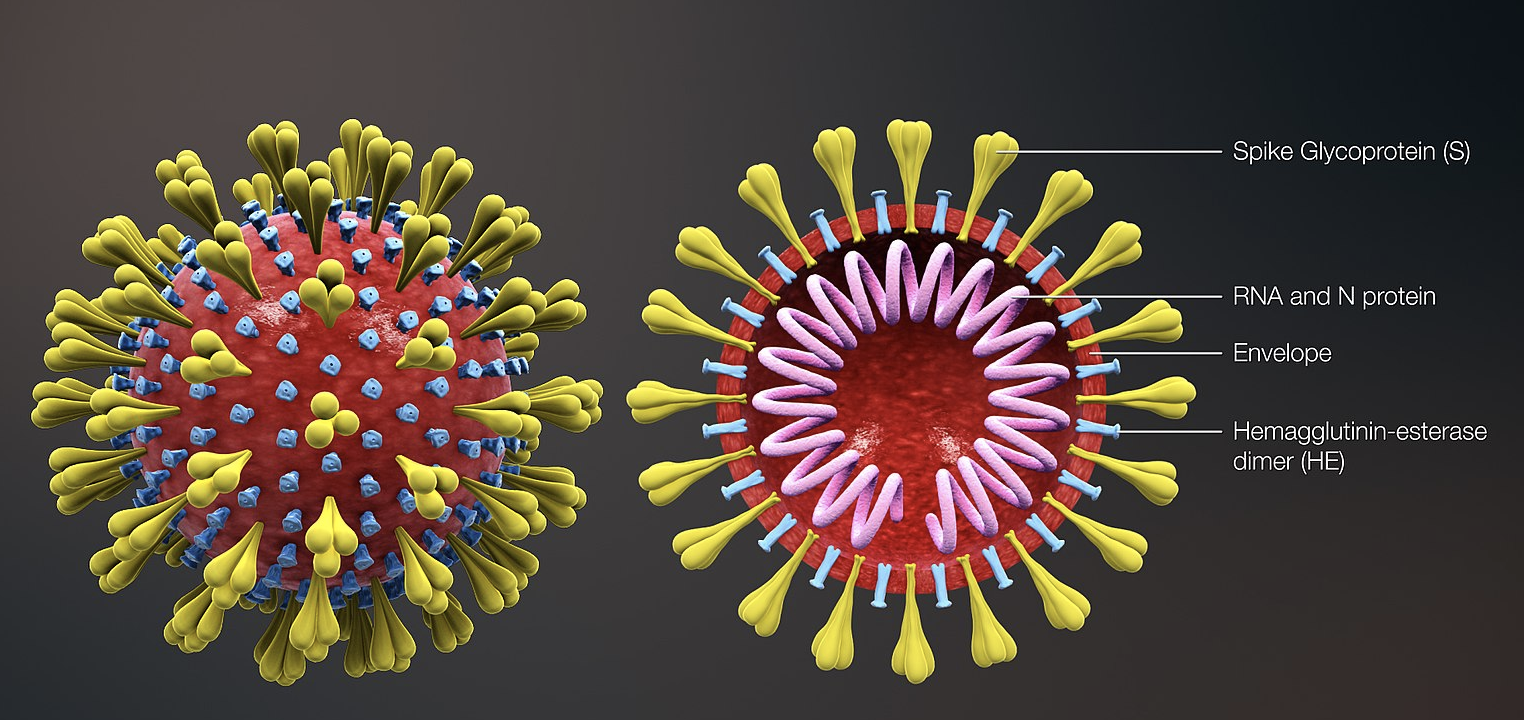
COVID-19 is the disease caused by the new coronavirus that emerged in China in December 2019.
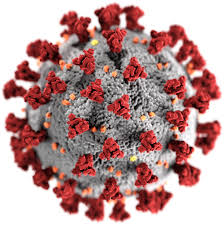
Coronaviruses are a type of virus. There are many different kinds, and some cause disease. A newly identified coronavirus, SARS-CoV-2, has caused a worldwide pandemic of respiratory illness, called COVID-19.
As of now, researchers know that the new coronavirus is spread through droplets released into the air when an infected person coughs or sneezes. The droplets generally do not travel more than a few feet, and they fall to the ground (or onto surfaces) in a few seconds — this is why social and physical distancing is effective in preventing the spread.


Most common symptoms:
Less common symptoms:
Serious symptoms:
Seek immediate medical attention if you have serious symptoms. Always call before visiting your doctor or health facility.
People with mild symptoms who are otherwise healthy should manage their symptoms at home.
On average it takes 5–6 days from when someone is infected with the virus for symptoms to show, however it can take up to 14 days.
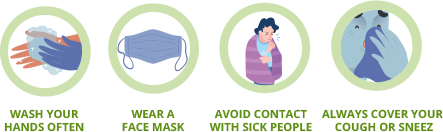
Wash your hands regularly with soap and water, or clean them with alcohol-based hand rub.
Maintain at least 1 metre distance between you and people coughing or sneezing.
Avoid touching your face
Cover your mouth and nose when coughing or sneezing.
Stay home if you feel unwell.
Refrain from smoking and other activities that weaken the lungs.
Practice physical distancing by avoiding unnecessary travel and staying away from large groups of people.